Mexico Group A · I · 4 matches Zapopan · Estadio Akron Mexico's second-largest city

Guadalajara
GDL.

Mariachi, tequila, and charreería were born here — three of Mexico's main cultural brands. And then there's Chivas, the club that on principle refuses to sign foreign players. Guadalajara has played football its own way for one hundred twenty years.
5.4 million residents in the metropolitan area 1,540 m above sea level CST · UTC −6
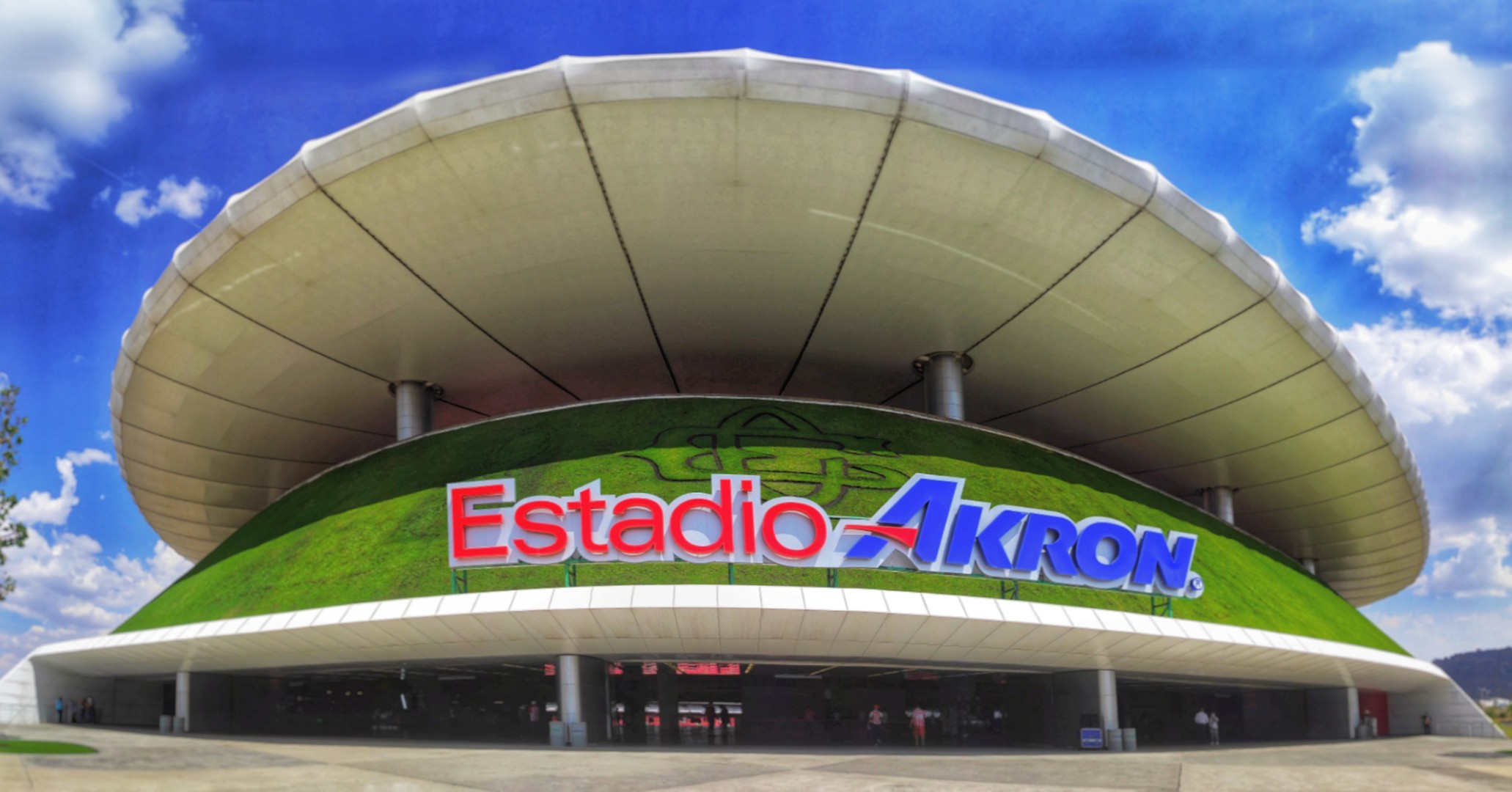
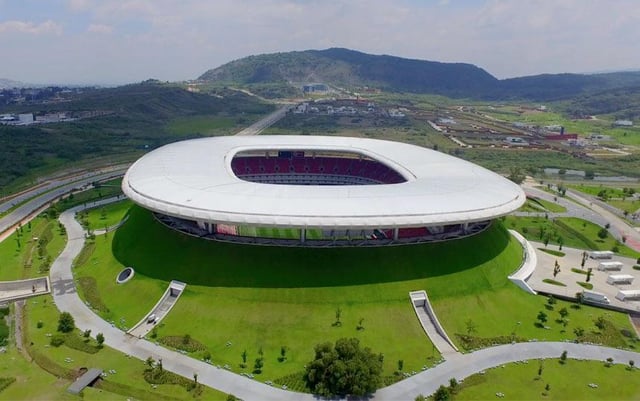
Estadio Akron2010, Zapopan
Stadium
46 232with modernization for World Cup 2026 — up to 48,071
Capacity
4group stage matches
Matches
Chivashome arena since 2010
Host club

Stadium
Akron.

Akron

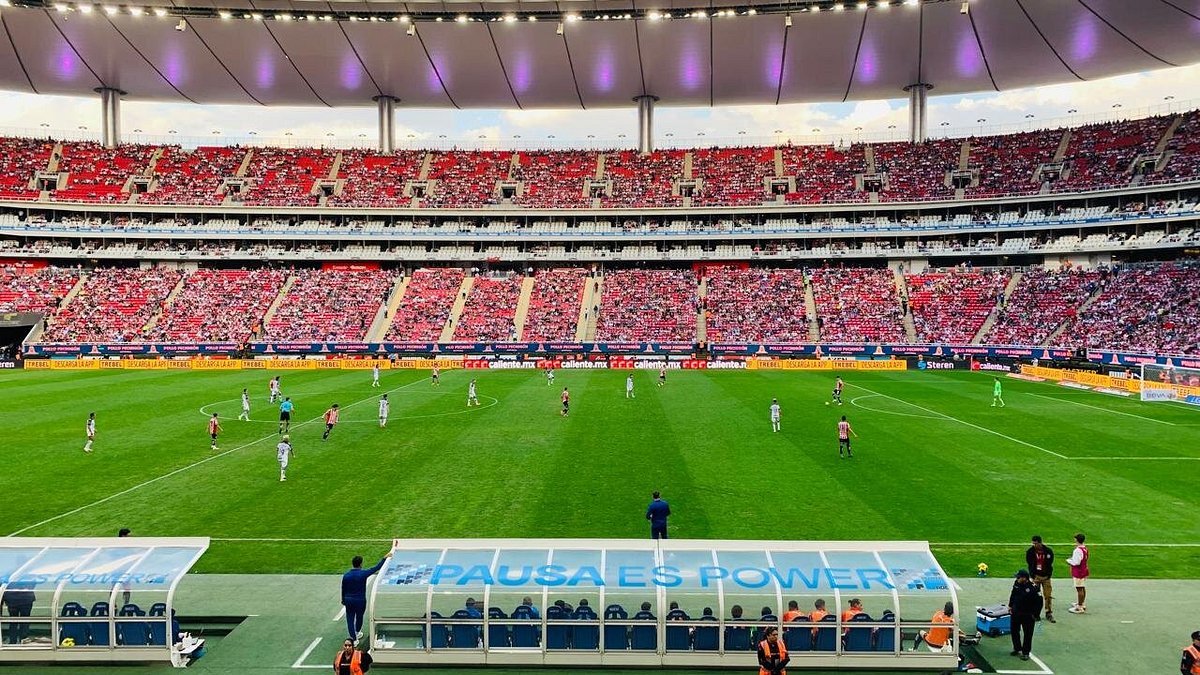
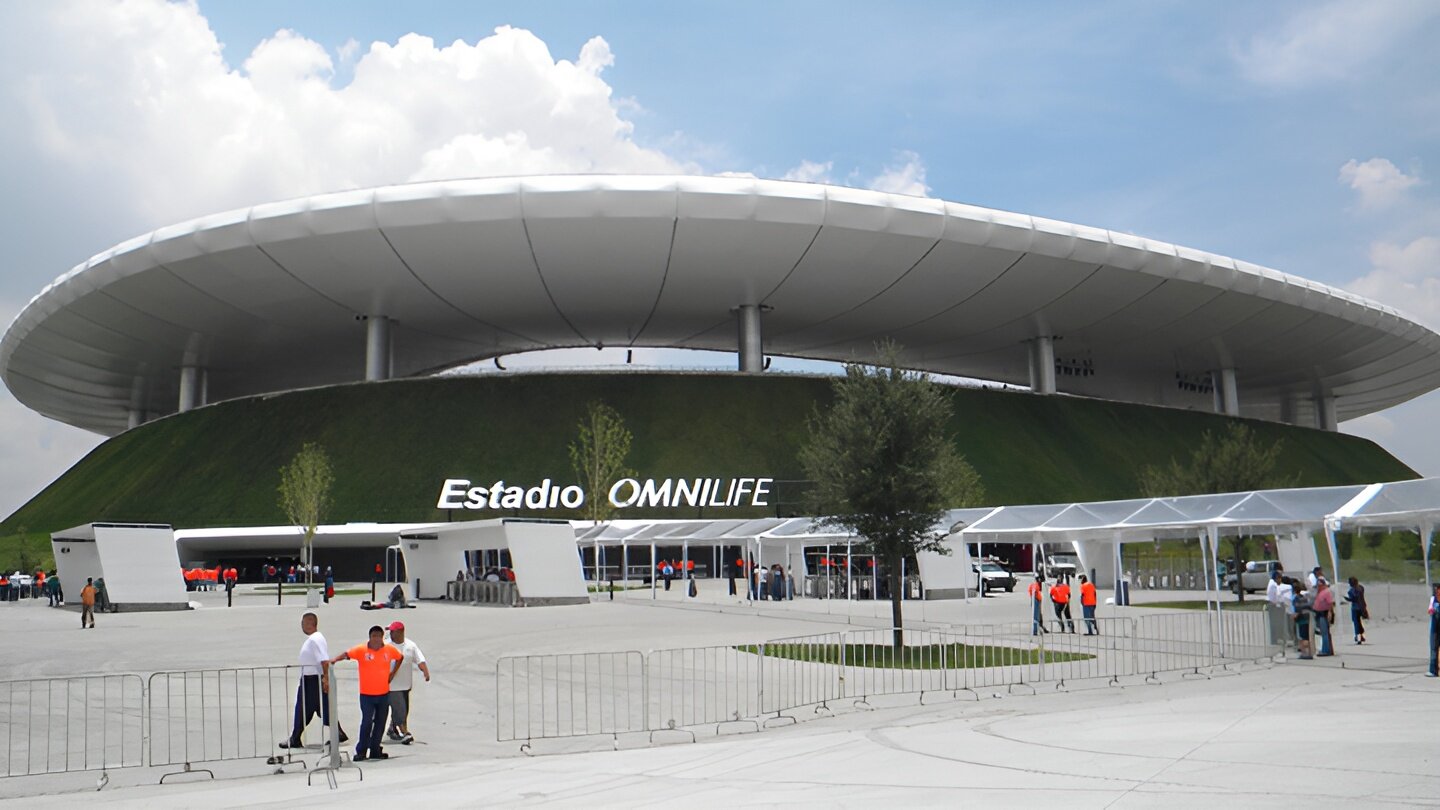
Mexico's first truly modern arena. Opened in 2010, home to Chivas Guadalajara. In 2026 it will host 4 group stage matches — the majority from Group A.

Opened
July 30, 2010
Architects
VFO + Pop Architecture
Field size
105 × 68 m
Surface
Hybrid grass
Altitude
1,540 m
Club
Chivas Guadalajara

Four matches,
four evenings.

What you need to know
about the city.

Atmosphere

Tequila, mariachis and Chivas — no foreigners.

Guadalajara is the most "Mexican" city of the tournament. Mariachis were born here (one of the squares in the center is even called Plaza de los Mariachis), and nearby is Tequila, the village that gave its name to the drink. And it is here that Chivas has existed for over a century — a club with a principled policy: only Mexicans in the squad. For Group A matches, Chivas will lease its stadium, and the club itself will move to its training base — clearing the city for celebration.

The most "Mexican" Cinco de Mayo · June 5 — dress rehearsal FICG effect
Role

Mexico's partner in Group A.

Guadalajara hosts 2 "non-Mexican" Group A matches — South Korea and Czechia in the first round, Korea and South Africa in the third. Plus two Group I matches (France/Senegal/Norway/Iraq) — the strongest group by competitive level. The tournament opens in Guadalajara with Korea vs. Czechia on June 11, the same day Mexico plays in Mexico City.

Group A · 2 matches Group I · 2 matches
Route — for fans

Guadalajara → Tequila.

On a free day — to Tequila, 65 km west. The Jose Cuervo Express train, tastings, blue agave fields (UNESCO). Return to the match — no problem.

Climate

1,540 m, dry. This isn't the Azteca.

Altitude — 700 meters lower than Mexico City, breathing noticeably easier. June is the dry season with brief evening thunderstorms. Daytime temperature +28°C, but quite bearable in the shade of monuments and parks.

Fan zone

Plaza Liberación. Open air.

Between the cathedral and Teatro Degollado — the main official fan zone. Large screen, stage for mariachi between matches, stalls with tortas ahogadas (the city's signature sandwich in tomato broth).

Where to go,
what to see.

Loading weather…
All locations

Seven things
about Guadalajara.

Guadalajara — capital of mariachi and Latin rock.

From Vicente Fernández (king of mariachi) to Maná (Latin America's leading rock band) — Jalisco sets Mexico's musical code. A selection — artists born or who built their careers in Guadalajara.

  1. 01
    Vicente Fernández — Por Tu Maldito Amor 1989 · Huentitán El Alto, Guadalajara

    The most famous ballad "El Charro de Huentitán" — the 20th-century king of mariachi.

    Open in Yandex Music →
  2. 02
    Maná — Oye Mi Amor 1992 · Guadalajara

    Album "¿Dónde Jugarán los Niños?" — the best-selling album in Spanish-language rock history.

    Open in Yandex Music →
  3. 03
    Vicente Fernández — Volver, Volver 1972 · Huentitán El Alto, Guadalajara

    The ranchero anthem — sung in every Mexican bar. The quintessential mariachi ballad.

    Open in Yandex Music →
  4. 04
    Maná — Rayando el Sol 1990 · Guadalajara

    From their debut album; the track that defined Maná's "Latin rock" sound.

    Open in Yandex Music →
  5. 05
    Alejandro Fernández — Como Quien Pierde Una Estrella 1995 · Guadalajara

    Vicente's son, heir to the mariachi crown. A Latin ballad known across Latin America as Y2K.

    Open in Yandex Music →
  6. 06
    Belanova — Por Ti 2007 · Guadalajara

    Electro-pop trio from Guadalajara; one of the most-rotated tracks on Latin MTV in the 2000s.

    Open in Yandex Music →
  7. 07
    Mariachi Vargas de Tecalitlán — La Negra (Son de la Negra) 1898 · Tecalitlán, Jalisco

    Mariachi standard since 1898. No family wedding in Jalisco goes without it.

    Open in Yandex Music →